

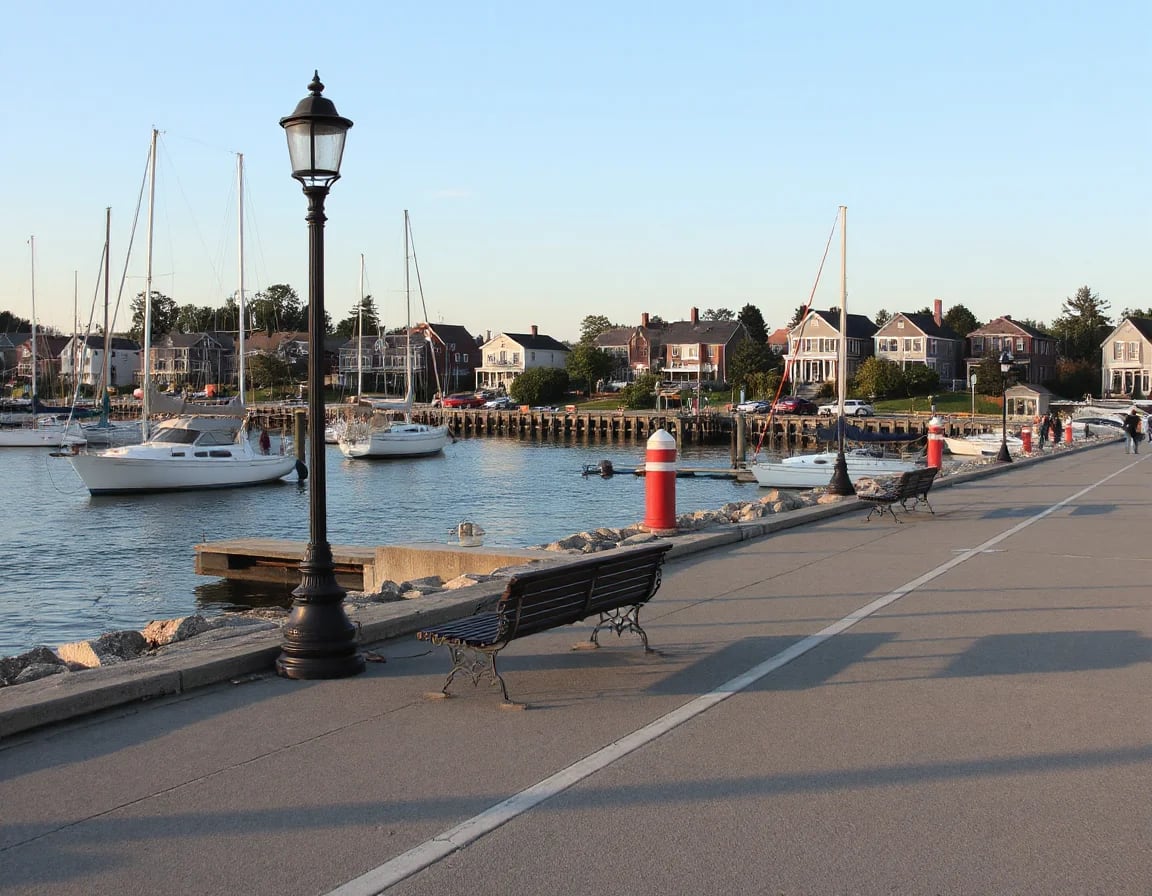
Marblehead Harbor offers a remarkable daily backdrop: working boats, historic streets, waterfront paths, and ever-changing coastal light. Before making an offer, it helps to look beyond the view and weigh seven practical trade-offs, from maintenance and access to parking, flood considerations, and the distinct character of each nearby street.
A Harbor Address Is More Than a View
Few places on the North Shore make an immediate impression like Marblehead Harbor. The masts, mooring fields, granite edges, and historic homes create a setting that feels active in every season, whether the water is dotted with sailboats in July or reflecting a clear winter sky. For many buyers, proximity to the harbor is a central reason to consider Marblehead.
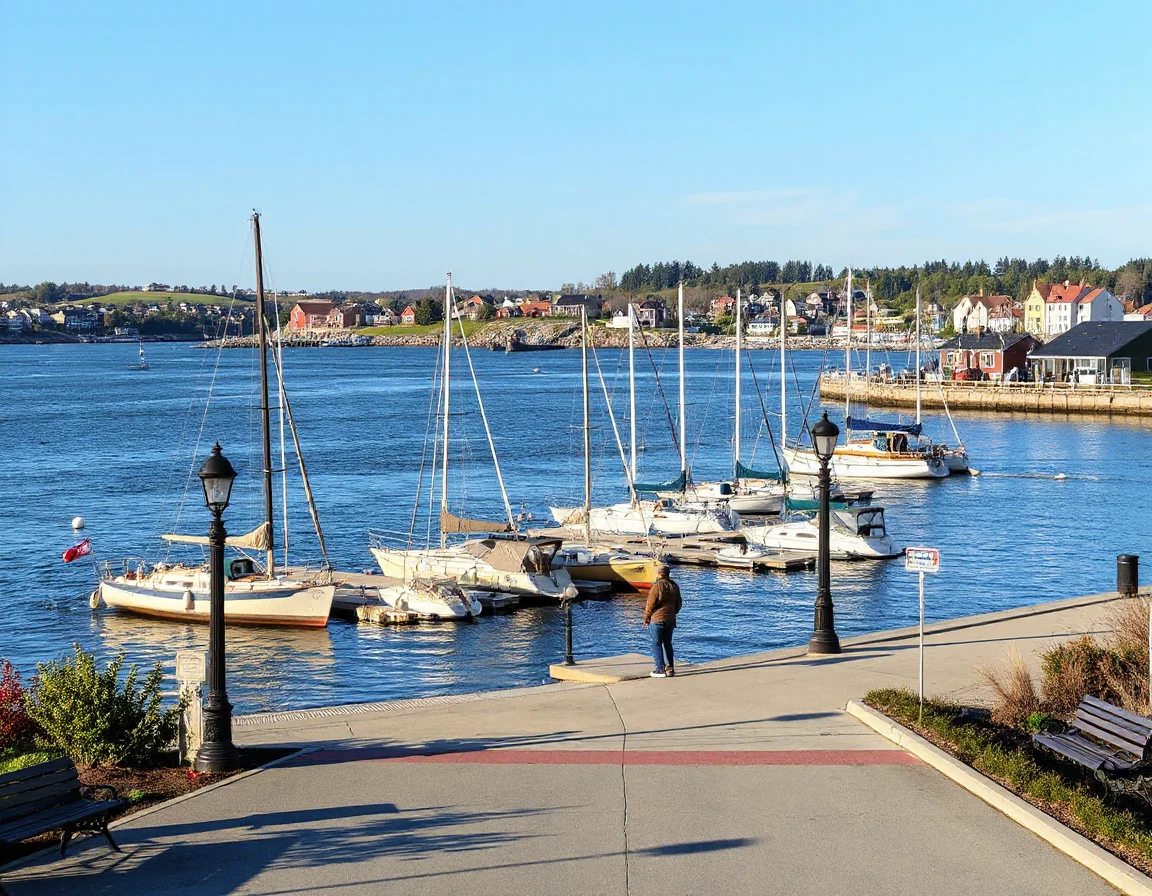
That appeal also comes with decisions that are easier to evaluate before the search becomes emotional. Harbor-area properties can range from compact antique homes tucked along narrow lanes to renovated waterfront residences, condominiums, and homes a short walk from the water. Each option brings a different blend of access, upkeep, privacy, and day-to-day logistics.
The best purchase is often the one that fits both the picture in your mind and the routine on your calendar. A careful visit at different times of day, a review of property disclosures, and a clear understanding of local conditions can make the difference between admiring an address and feeling confident about owning it.
1. Water Access Versus Waterfront Maintenance
Living near the harbor can make walking routes, harbor views, and boating access part of everyday life. However, direct waterfront exposure may also mean more attention to exterior materials, windows, roofs, decks, drainage, and landscaping. Salt air and coastal weather can affect finishes and mechanical equipment more quickly than they might farther inland.
For buyers considering a property close to the shore, inspections should look beyond the interior. Ask about the age and condition of exterior components, prior storm repairs, insurance history, and any ongoing maintenance routines. A home one or two blocks from the water may offer much of the harbor experience with a different maintenance profile.
A harbor view can be a lasting asset, but the most useful comparison is not view versus no view—it is the full cost of ownership, including preventive exterior care and insurance.
2. Historic Character Versus Renovation Flexibility
Marblehead’s older neighborhoods are part of its appeal, with architectural details, mature streetscapes, and homes that reflect several centuries of coastal history. Antique and historic properties can offer distinctive floor plans, original millwork, fireplaces, and a sense of place that is hard to duplicate in newer construction.
At the same time, older homes may require a more thoughtful approach to updates. Room sizes, stairways, ceiling heights, electrical systems, insulation, and foundation conditions can vary considerably from house to house. Buyers planning a renovation should understand local permitting expectations, preservation considerations where applicable, and the practical limits of the existing structure before estimating a project.
3. Walkable Harbor Routes Versus Parking and Street Width
The streets around the harbor invite walking, especially near public waterfront areas, galleries, harbor overlooks, and village amenities. Being able to leave the car at home for an errand or an evening stroll can be a meaningful part of the location’s value.
Older street patterns can also mean narrow travel lanes, limited off-street parking, shared driveways, or a garage that is better suited to storage than daily parking. During a showing, take time to inspect the parking arrangement in person. Consider where guests might park, how deliveries reach the property, whether snow removal affects access, and whether turning a vehicle around feels manageable.
These details are not minor. They shape the experience of arriving home, carrying groceries, scheduling service work, and welcoming visitors throughout the year.
Practical Questions That Deserve a Closer Look
Harbor-area buying decisions also benefit from a little local due diligence. The same feature that makes a home memorable—an elevated site, a narrow lane, a close shoreline setting, or a lively seasonal view—may bring questions that deserve answers before contingencies are removed.
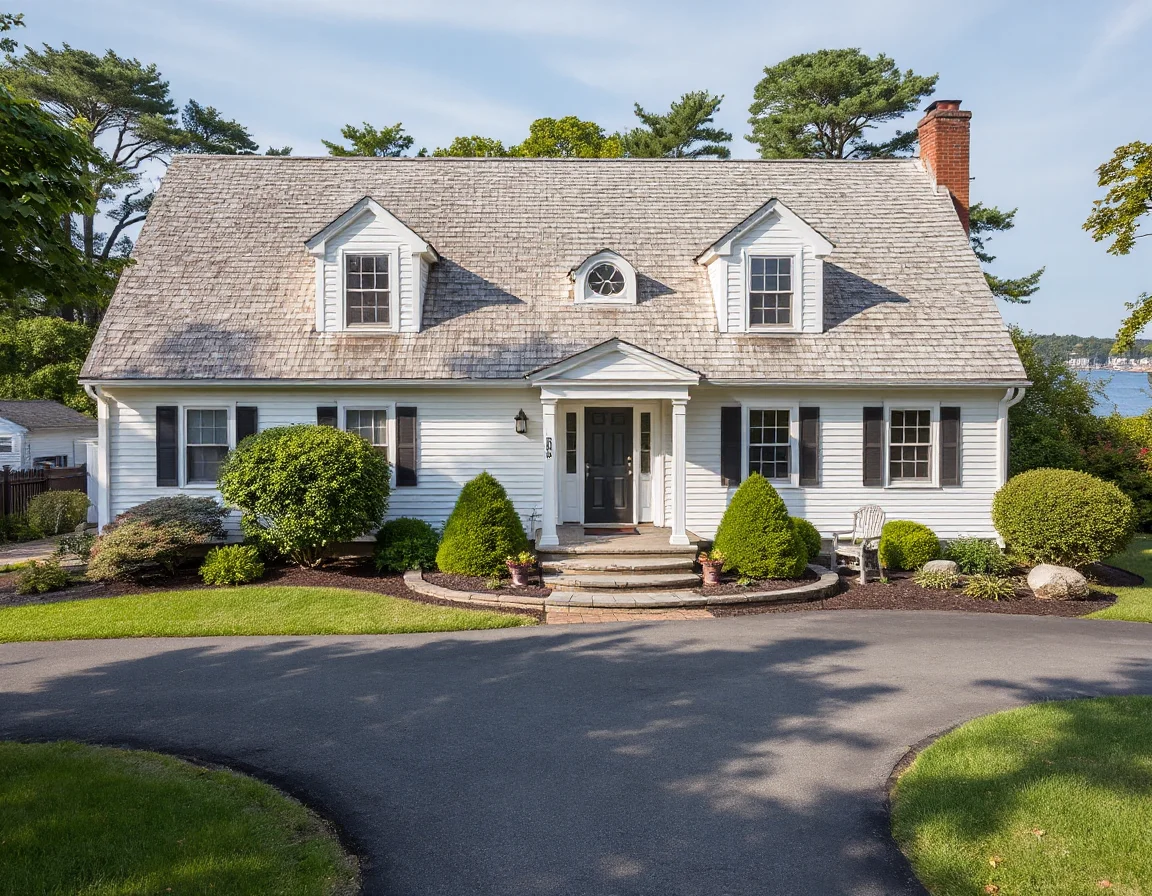
4. Coastal Setting Versus Insurance and Flood Review
Waterfront and near-water properties should prompt a careful review of flood-zone information, elevation details, drainage, and insurance options. Flood maps and insurance requirements can change, and the applicable terms depend on the individual parcel, lender, policy, and property improvements. A buyer should avoid relying on a general neighborhood assumption.
Request available documentation early, including past insurance information when provided, permits for drainage or foundation work, and records of significant improvements. An insurance professional can help clarify coverage options and likely costs, while an experienced inspector can identify questions to pursue with specialists.
5. Seasonal Energy Versus Year-Round Comfort
Harbor breezes can be refreshing, but coastal homes may experience wind exposure, moisture, and temperature changes that affect comfort and operating costs. In an older home, window performance, insulation, heating equipment, and ventilation matter just as much as the view from the living room.
During a showing, notice the direction of sunlight, the placement of heating and cooling equipment, the condition of storm windows, and any signs of moisture around lower levels or exterior doors. Utility costs are specific to each home, but understanding the building envelope gives buyers a more realistic starting point than square footage alone.
6. Active Harbor Energy Versus Privacy Preferences
The harbor is a working and recreational landscape, not a static backdrop. Depending on the location and season, buyers may notice boat activity, maintenance work, pedestrians, events, gulls, wind, and the general rhythm of a coastal town. Many people value that sense of connection and motion; others may prefer a more secluded setting.
Visit at more than one time if possible. A weekday morning, a weekend afternoon, and an early evening can reveal different patterns around a property. Listen from the porch, open a few windows, walk the immediate block, and consider how the setting feels without the pace of a scheduled showing.
A second visit can reveal more than a second look: it gives you a chance to experience parking, light, activity, and sound on the property’s normal schedule.
7. Limited Inventory Versus Patient Decision-Making
Homes near Marblehead Harbor can be tightly held, and each listing may offer a very different combination of location, condition, outdoor space, and water relationship. That scarcity can create urgency, but urgency should not replace a disciplined review of comparable sales, required repairs, financing terms, and resale considerations.
A focused search strategy helps. Identify the features that are truly essential, such as walkability, off-street parking, first-floor layout, a specific water relationship, or renovation potential. Then separate those priorities from features that could be improved over time. The experienced team at Gingle Lerman Realty Group, affiliated with William Raveis Real Estate, can help buyers compare homes across Marblehead’s distinct harbor-adjacent settings with a practical North Shore perspective.
Choose the Harbor Experience That Fits Your Everyday Life
Buying near Marblehead Harbor is not about finding a universally “best” block or property type. It is about understanding what you value most: immediate water access, a historic interior, private outdoor space, easier parking, lower maintenance, or a shorter walk to village amenities. Those preferences can point to very different homes within a relatively small geographic area.
When the trade-offs are clear, the harbor becomes more than a beautiful first impression. It becomes a setting you can enjoy with confidence—one matched to your budget, maintenance comfort level, and preferred way of living in this distinctive Massachusetts coastal community.