


Salem and Swampscott share a North Shore address, coastal scenery, and access to Boston by rail, yet their day-to-day patterns feel distinctly different. Salem offers an active historic center, harbor access, and a broad mix of housing settings; Swampscott centers its rhythm around shoreline walks, residential streets, and a compact rail commute. The better fit often comes down to how you want to spend an ordinary Tuesday—not just a sunny Saturday.
Two North Shore Settings, Two Daily Experiences
Choosing between Salem and Swampscott can look simple on a map: both sit north of Boston, both connect to the MBTA commuter rail network, and both offer easy access to the water. In practice, each place has its own pace. The comparison is less about declaring one “better” and more about matching a home search to the routines, surroundings, and travel patterns that matter most to you.
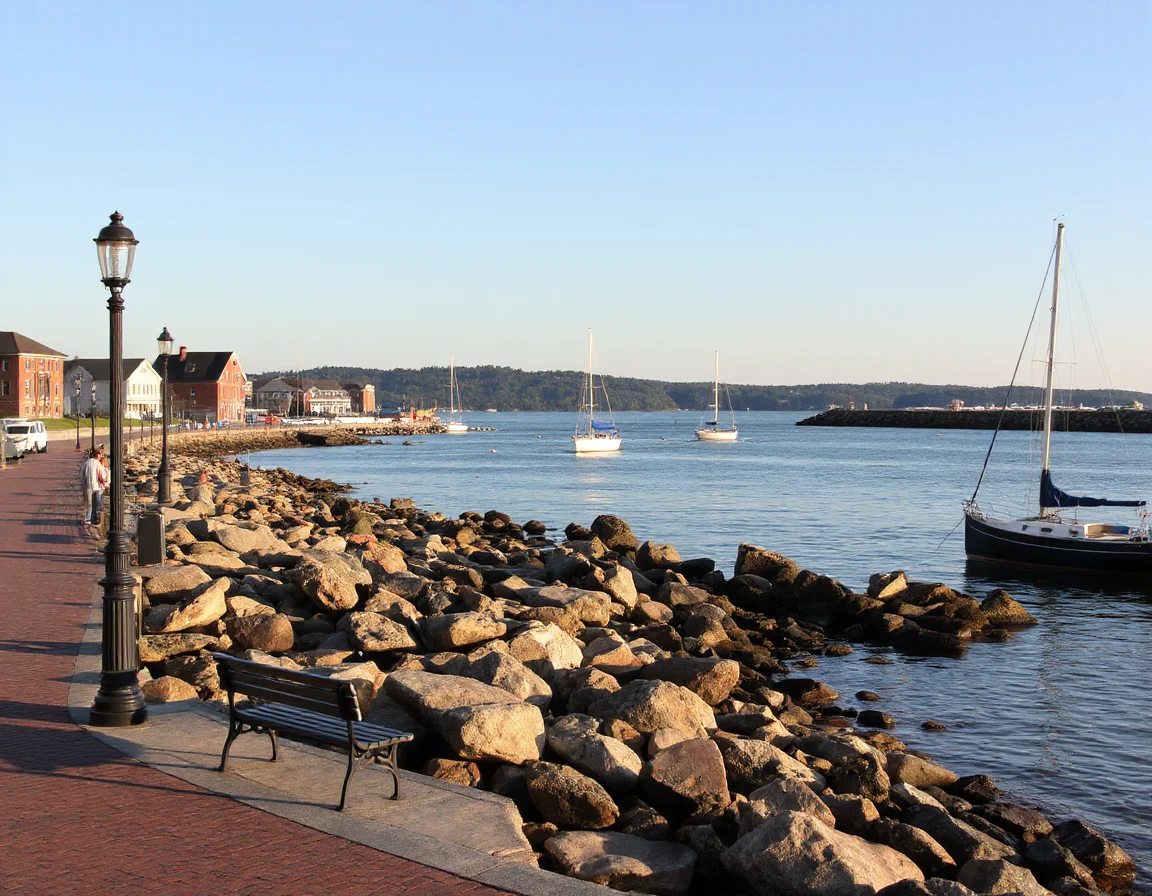
Salem has a highly visible center of activity. Its historic streets, waterfront areas, museums, public spaces, seasonal events, and dining destinations create a setting where errands, a walk by the harbor, and an evening out can often happen within the same part of town. The city’s identity is shaped by its maritime history, but its appeal is also practical: there are varied neighborhood settings beyond the visitor-focused core, from older homes near established streets to condominiums and multifamily properties closer to transit and city amenities.
Swampscott presents a different coastal experience. The town is known for its shoreline, including beach and ocean-view areas, along with residential streets that lead toward the rail station and local services. The visual rhythm is often quieter and more residential, with the coast functioning as a regular part of the landscape rather than a destination reserved for special occasions. A morning walk along the water or an evening view of changing tides can become part of the weekly routine.
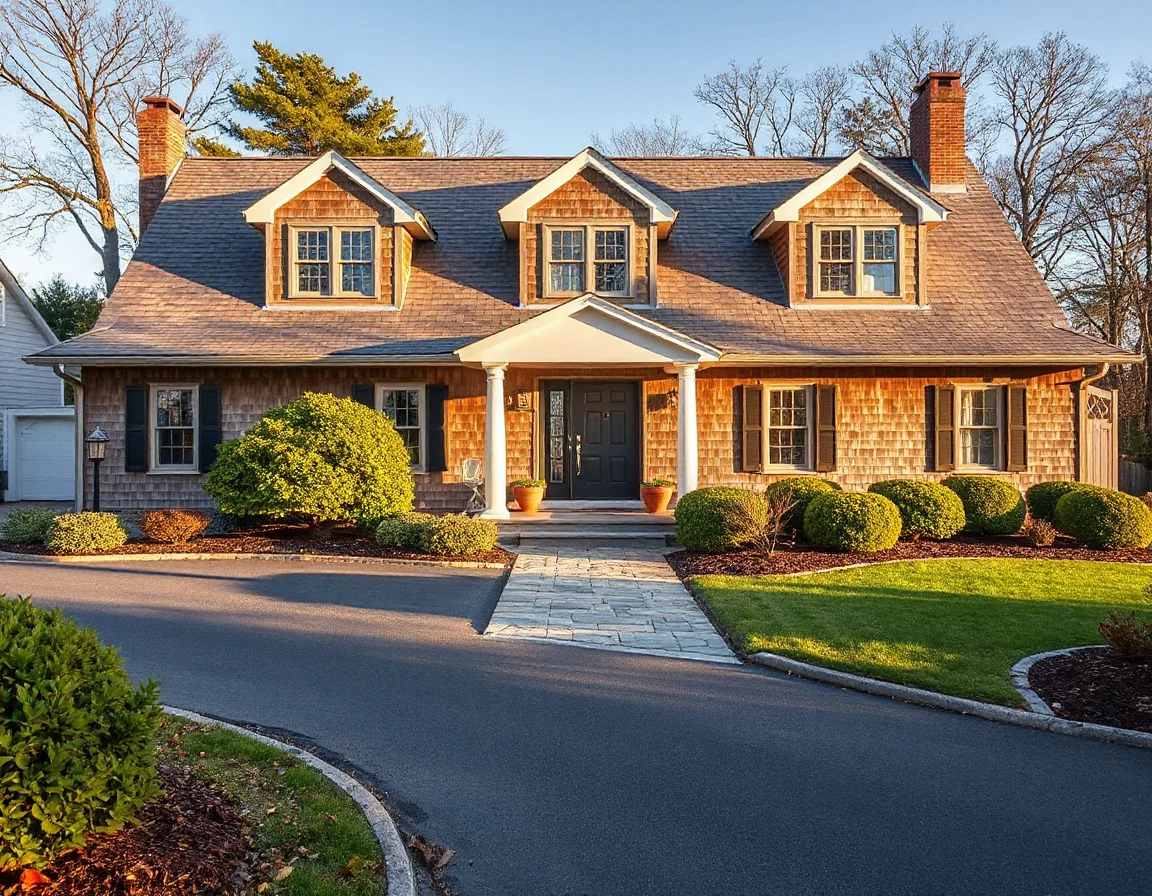
The housing stock reflects those different patterns. Salem buyers may encounter historic single-family homes, condos, townhomes, multifamily properties, and newer construction in a range of locations. Swampscott includes classic coastal New England homes, condominiums, apartments, and properties whose value may be influenced by proximity to the ocean, views, lot characteristics, and access to the commuter rail. In either community, condition, flood-zone information, parking, renovation history, and local permitting can be just as important as a property’s first impression.
For coastal properties in either community, ask early about flood insurance, elevation, drainage, roof condition, and any past water-management work. These details can affect both ownership planning and offer strategy.
Rail Access: Similar Lines, Different Starting Points
For people who travel toward Boston, rail access is frequently central to the Salem-versus-Swampscott decision. Salem Station is served by the MBTA Newburyport/Rockport commuter rail lines and is positioned near the city center. Swampscott Station is also served by the Newburyport/Rockport lines, giving commuters another North Shore option for trips toward North Station. Schedules, service patterns, parking availability, and track work can change, so it is worth checking current MBTA information before treating any commute time as fixed.
What changes is the experience around the station. In Salem, rail travel can pair naturally with a stop for groceries, a waterfront walk, an appointment, or time in the downtown area. The station’s proximity to the center can make the trip feel integrated with other daily tasks. That convenience also means that traffic, pedestrian activity, and parking conditions can vary notably during festivals, weekends, and the busy fall season.
In Swampscott, the station often serves as a more focused departure point in a predominantly residential setting. Buyers may want to test the route from prospective homes to the station at the time they expect to travel. A route that feels easy at midday can feel different during morning traffic, in winter weather, or when finding parking. Walking distance is also personal: hills, sidewalks, lighting, carrying bags, and the actual path matter more than a straight-line map measurement.
Both communities also offer driving connections to nearby North Shore destinations and Boston-area employment centers, but roadway congestion is a real planning factor. Rather than relying on a single estimated travel time, try several sample trips—weekday morning, weekday evening, and a weekend errand run. That small amount of research often clarifies whether rail, driving, walking, or a combination of all three best suits your routine.
A station location can add convenience, but the most useful test is practical: visit the property, walk or drive the actual route, and check the current schedule you would realistically use.
Coastline, Recreation, and the Shape of Free Time
Salem’s waterfront is woven into a city setting. Salem Harbor, the Derby Wharf area, public parks, marinas, and waterfront paths create options for walking, boating, taking in views, and exploring local history. The shoreline often feels connected to a broader day in town, where a visit to an outdoor space can sit alongside cultural attractions and seasonal programming. It is a coastal city experience with many nearby layers.
Swampscott’s coastal appeal is more immediately centered on the oceanfront. Beaches and shoreline paths provide open views of Massachusetts Bay, while nearby green spaces and local recreation facilities add options away from the water. Conditions along the coast naturally change with the seasons: summer beach access, storm tides, wind exposure, snow removal, and the quieter light of late fall can all shape how a location feels. A showing in more than one season can be especially informative for homes near the shoreline.
Neither community should be judged only by its postcard moments. Think about the services you use regularly: grocery options, medical care, parks, libraries, fitness, dining, municipal services, and routes to places you visit often. For buyers evaluating schools, the most useful approach is to review current district information, enrollment resources, transportation details, and publicly available performance data directly from the relevant school district rather than relying on broad impressions.
How to Make the Comparison Productive
A clear search plan can keep the Salem-or-Swampscott question from becoming an abstract debate. Start by ranking a few concrete priorities: housing type, budget range, rail routine, outdoor access, parking needs, desired maintenance level, and proximity to the places you visit most. Then compare actual listings rather than only comparing town reputations. A condo near Salem Station and a coastal home in Swampscott may offer entirely different ownership experiences even when their price points overlap.
It also helps to watch for property-specific costs. Older homes may have character and flexible layouts, yet buyers should budget for inspections of systems, foundations, insulation, windows, and deferred maintenance. Condominiums deserve a close review of association budgets, reserves, rules, insurance, assessments, and upcoming capital projects. Near-water homes may warrant particular attention to insurance, exterior materials, drainage, and storm readiness.
Gingle Lerman Realty Group, affiliated with William Raveis Real Estate, works across the North Shore and can help turn these broad contrasts into a focused property search. With local perspective from Marcie Gingle and Roberta Lerman, the goal is to examine the details that affect your decision: not only the listing photos, but also the route to the station, the surrounding setting, the condition of the home, and the costs that come with ownership.
The Best Choice Is the One That Supports Your Routine
Salem may stand out when you value a lively historic environment, waterfront access alongside city amenities, and a station integrated with the center of town. Swampscott may stand out when an oceanfront setting, residential streets, and a compact rail connection are high on your list. Both offer meaningful North Shore advantages, and both reward buyers who take the time to explore beyond the first showing.
Visit at different hours, ride the rail if it is part of your plan, check seasonal considerations, and study the individual property as carefully as the community around it. That process turns a coastal comparison into a confident decision—one grounded in how a home will work for your everyday life.