


A successful North Shore sale begins well before the listing goes live. By pairing a clear pricing strategy with thoughtful preparation, strong visual presentation, and an organized showing plan, sellers can make informed decisions and present their property with confidence. The goal is not perfection—it is helping buyers understand the home’s value from the first impression through the offer process.
Start With a Clear Picture of Your Home’s Position
Selling a home on Massachusetts’ North Shore can feel like a long checklist, especially when every room seems to suggest another project. A smarter approach begins with priorities: understand the property’s current condition, learn how nearby active and recently sold homes are positioned, and focus effort where it will make the clearest difference. Whether the home is in Marblehead, Salem, Swampscott, Winthrop, Boston, or another North Shore community, a well-organized plan helps turn preparation into a manageable sequence rather than a last-minute rush.
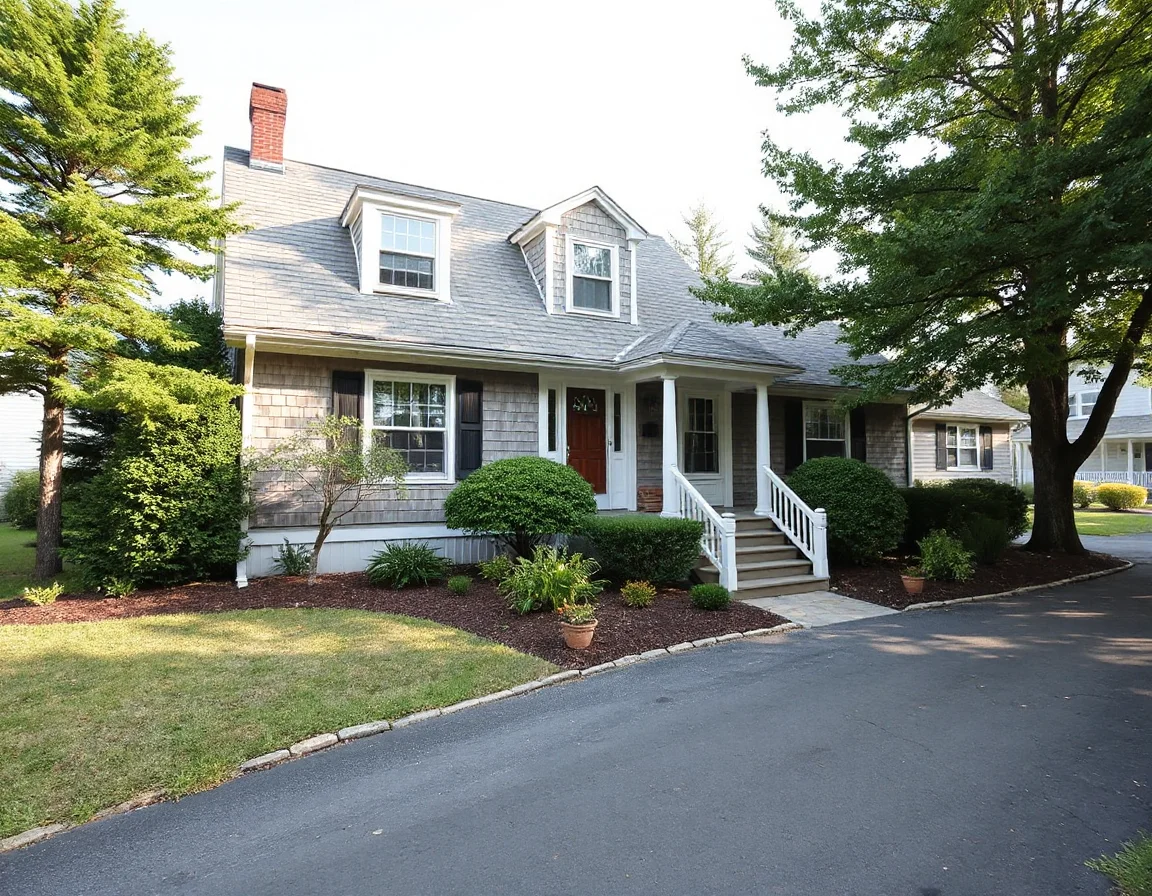
Begin with a comparative market review rather than relying on a single automated estimate. Recent closed sales provide useful context, but active listings matter too: they show what buyers will be comparing in real time. Location, lot characteristics, layout, condition, updates, parking, outdoor space, and local inventory can all influence a pricing conversation. A thoughtful review distinguishes between an asking price designed to create interest and a final sale price shaped by financing, inspections, appraisal, and negotiation.
Walk through the property with fresh eyes and write down what a visitor will notice in the first few minutes. Exterior details such as a clear walkway, trimmed landscaping, working entry lights, visible house numbers, and a clean front door set the tone before anyone steps inside. Indoors, look for routine maintenance items: dripping faucets, loose hardware, scuffed walls, burned-out bulbs, sticking doors, and cluttered surfaces. Small repairs may not transform the house, but they can communicate consistent care.
The most useful preparation list separates “complete before photography” items from projects that can wait. A clean, bright, well-maintained home often benefits more from focused polish than from a broad renovation started without a clear return.
It is also helpful to gather documentation early. Receipts for major improvements, permits where applicable, utility information, appliance manuals, warranties, and records related to the roof, heating system, windows, or other significant work can make later questions easier to answer. Sellers should be prepared to complete required disclosures accurately and should consult appropriate professionals for legal, tax, inspection, or repair questions. Good organization supports a smoother transaction and reduces the scramble that can happen after an offer arrives.
Prepare Rooms for Light, Flow, and Honest First Impressions
Once the pricing and repair priorities are clear, the next step is presentation. Buyers often begin their search online, where photographs, room dimensions, and the overall sense of space create the first connection. Preparing for that experience does not mean making a home look unlike itself. It means reducing distractions so the home’s layout, light, storage, and architectural details can be seen more easily.

Decluttering is one of the highest-impact steps because it helps rooms read clearly in photos and during showings. Remove excess items from kitchen counters, bathroom vanities, entry tables, bookshelves, and closets. This is not about stripping every room bare; it is about creating breathing room. A few intentional objects, fresh towels, coordinated bedding, and simple greenery can add warmth without overwhelming the space. Personal items can be packed early, which also creates momentum for the eventual move.
Light deserves special attention. Open window coverings where privacy allows, replace mismatched or dim bulbs, and make sure lamps work. North Shore homes may include period details, compact rooms, water views, woodland outlooks, or spaces shaped by additions over time. Professional photography and a thoughtful walkthrough plan can highlight these features accurately. If a room has an unusual use, consider presenting it in a way that makes its dimensions and possibilities easy to understand, while avoiding promises that cannot be supported by the property.
A pre-listing conversation should also cover access and showing logistics. Decide how notice will work, where pets will be during appointments, what items need to be secured, and how the home can stay orderly throughout the first days on market. Flexibility can help more prospective buyers see the property, but the plan should remain practical for the seller’s schedule. Clear instructions and a predictable routine make showings less disruptive.
Photography day is a deadline worth protecting. Finish touch-ups, remove bins and vehicles from prominent exterior views when possible, and reserve a clean, simple staging setup for the rooms that will lead the listing.
Build a Listing Strategy That Matches the North Shore Market
Preparation is only one part of the sale. The launch itself should present consistent information across photography, property descriptions, floor plans when available, showing instructions, and online distribution. A strong listing description focuses on verifiable features: architectural style, finished spaces, outdoor areas, systems, improvements, nearby transportation options, and community amenities. It should give buyers useful reasons to schedule a visit without overstating condition, square footage, or future potential.
Timing can matter, but there is no universal “perfect week” to list. Inventory levels, competing properties, weather, holidays, work schedules, and a seller’s readiness all shape the decision. In many cases, entering the market with complete materials and a well-prepared home is more valuable than racing toward an arbitrary date. If demand is active, a clean launch and a clear review process can help create momentum. If conditions are more measured, careful pricing and responsive feedback become even more important.
As showings begin, pay attention to patterns rather than isolated comments. One visitor may prefer a different layout or design style; repeated feedback about price, condition, room function, or exterior presentation is more actionable. Your real estate team can help evaluate showing activity, online engagement, competing listings, and buyer questions to determine whether a change is warranted. The purpose of feedback is not to take every opinion personally—it is to identify useful market information.
When offers arrive, price is important, but it is not the only term to consider. Financing type, down payment, contingencies, inspection timelines, appraisal provisions, requested closing date, and items included in the sale can all affect the strength and certainty of an offer. Reviewing the full package with experienced representation gives sellers a clearer basis for comparison. A well-structured offer can be valuable even when its headline number is not the only factor in the decision.
Talk with the Gingle Lerman Realty Group
Finish With a Plan for the Final Stretch
After an agreement is accepted, the transaction shifts from marketing to coordination. Inspection appointments, repair discussions, lender appraisal, title work, final utility arrangements, and move-out preparation each have deadlines. Keeping records, responding promptly to reasonable requests, and maintaining the property in its agreed condition help the closing process stay on track. Sellers should continue to communicate with their agent and chosen legal and financial professionals whenever a question affects the contract or closing requirements.
Gingle Lerman Realty Group, affiliated with William Raveis Real Estate and based in downtown Marblehead, brings a team approach to this process with Marcie Gingle and Roberta Lerman. For North Shore sellers, the most effective plan is usually the one that is specific to the home, the market moment, and the seller’s timeline. With sound preparation, polished presentation, and careful offer review, a home sale can move forward with greater clarity from the first walkthrough to the closing table.